A well-informed community makes better decisions. Since The Eddy submitted its Letter of Intent to the City of Reno, this proposal has generated real conversation and a lot of noise. Some claims circulating publicly don't match what's actually being proposed.
Below, we have laid out the most common questions clearly and directly, with facts you can verify through public records. We care about downtown Reno and the Riverwalk District, and we think this conversation deserves real information, not social media speculation.
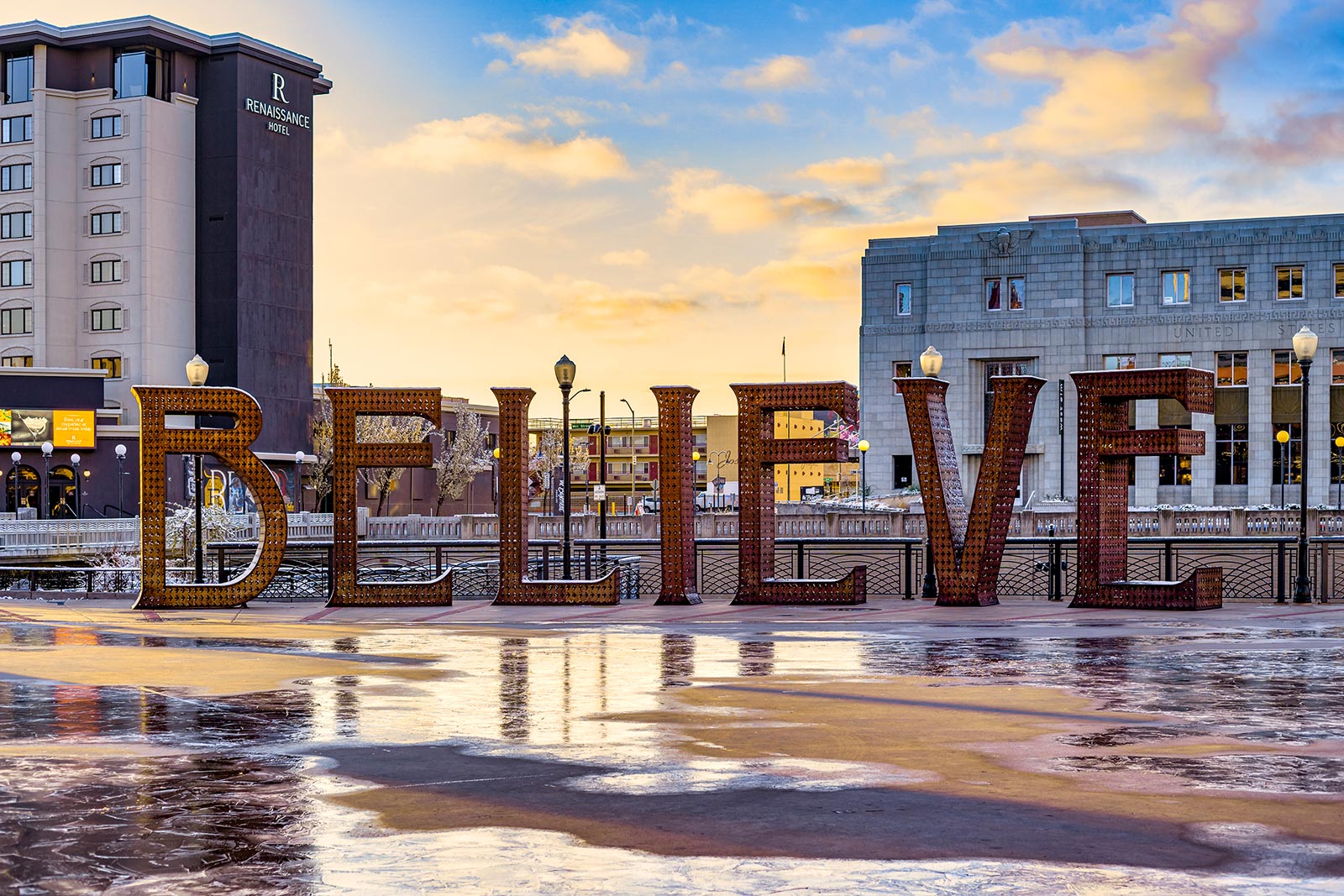
The Believe Plaza site is actually two parcels. One half (APN 011-606-04) is owned directly by the City of Reno. The other half (APN 011-606-05) is owned by the city's Redevelopment Agency (RDA), a public entity created specifically to invest in and improve underutilized areas of downtown.
"Publicly owned" covers a wide range of property types with different rules, and not all public land is the same. A national park or a dedicated, deed-restricted parkland is different from a municipally owned parcel held for redevelopment purposes.
Both the City of Reno and its Redevelopment Agency have legal authority to lease municipally owned property to private partners, and they do so regularly. This is one of the primary tools cities use to fund improvements to public spaces. Leasing a municipal parcel is a normal, legal, and common function of city government. This is not a transfer of "public land" in the sense most people imagine when they picture a park being sold off.
The $1.00 figure is not the final price. Estimating fair market value requires months of research including the commissioning of multiple appraisals. The figure is a traditional starting point for a conversation about what's possible.
This is a standard structure in public-private partnerships. It reflects the private investment The Eddy is making into a publicly owned space, not the value of the land. Before any lease is final, the City of Reno must complete an independent appraisal of market rent. Final terms may reflect below-market rent in recognition of "economic development," a mechanism recognized under Nevada redevelopment law.
The site plan is early-stage. No construction plans or cost estimates exist yet, because those require feasibility studies, environmental review, legal review, and the appraisal. None have started. The Eddy covers all improvement costs. The city pays nothing, and the public benefit comes at no cost to taxpayers.
We know this kind of arrangement is more common in development than the public may realize, and that $1.00 can look alarming out of context. We're not asking to take anything for nothing. We're proposing to invest significantly, and this is the formal first step in figuring out what that investment looks like for everyone involved. It's the starting point from which the studies can begin.
Portions of the Believe Plaza would remain open and publicly accessible. This proposal is not about selling the space or closing it off. It is about partnering with the city to better manage and activate it. Public events, river access, and the Tahoe-Pyramid Bike Path all remain protected. Space Whale and The Believe sculpture stay. Public access stays. This is an offer to invest in Believe Plaza, not take it away. Similar to how private vendors operate within a national park under a mutually beneficial agreement, this would expand beneficial use to a broader populous and fill a need the city is unable to meet.
The purchase option was formally withdrawn. The revised Letter of Intent, submitted to the city on Jun 3, 2026 is a lease-only proposal. This city retains full ownership of Believe Plaza under this proposal.
The Eddy is not seeking to acquire public land. It is seeking to invest in it, manage it, and make it better as a tenant, not an owner. This is the definition of a Privately Managed Public Space: private investment and management in service of a publicly owned and publicly accessible place.
This is not a takeover. It is a proposal to invest in Believe Plaza and manage it through a formal agreement with the City of Reno, while keeping it open and welcoming for all. The Eddy has spent ten years proving that an outdoor space can become a community destination. This proposal is about bringing that same energy and stewardship to Believe Plaza, not taking it away from the public. The plans could involve adding more publicly accessible facilities such as the currently proposed pickleball courts and an outdoor live entertainment venue at no cost to the City or the Public.
The Eddy has always been more than a bar. Over the past decade it has hosted free fitness classes, fundraisers, nonprofit events, concerts, food truck operators, and community gatherings. The proposal for Believe Plaza adds an outdoor stage, pickleball courts, a children's play area, restrooms, shade canopies, a food truck court, and protected public access to the river. A place to get a drink is one small piece of a much larger vision for a safe, activated space that serves the whole community.
The $1.00 base rent is a standard nominal lease structure used in public-private partnerships where the private partner is taking on significant investment responsibility in exchange for operating rights. It is not a final figure, it is a starting point for a process that the law requires.
Before any lease is finalized, the City of Reno is required to obtain an independent appraisal to establish market rent for the property. That appraisal takes a minimum of two months and will form the basis for final lease terms. The City may then choose to lease at below market value in recognition of the economic benefit The Eddy provides. This is a standard and legally recognized mechanism used in redevelopment agreements across the country.
Additionally, The Eddy will fund all construction and improvements entirely at its own expense. The city pays nothing. The community receives a fully activated, maintained public space at no cost to taxpayers. Additionally, the city and county would realize tax benefit the property currently does not generate.
No final decisions have been made. The current plan is conceptual, and required studies and approvals have not yet begun. The project will go through a public process, and The Eddy will go through the required approvals before any design is finalized.
Not all empty spaces are equal. Believe Plaza has long been identified as an Opportunity Zone (as shown in the original 2018 mapping) by the city and the federal government and specifically supports this type of investment, creating advantages that help make a project like this feasible. In other words, it has long been inviting this exact type of proposal. No other space suits all of the needs identified as critical for a proposal of this nature that also match that of the proven business model along the same corridor.
If the city were going to do this on its own, it likely would have by now. The Redevelopment Agency Advisory Board (RAAB) recommended $150,000 in FY2026 for plaza improvements but those funds were not granted and no project moved forward. There is currently no funded plan, staff assignment, or timeline to improve or actively manage the space. Doing nothing is not a plan, it is the default and has proven unsuccessful at this location.
Based on public records, Believe Plaza hosted approximately 236 permitted uses over the past two and a half years. This includes 18 free speech gatherings, special events, and Believe Sculpture lighting events. That's an average of fewer than two formal activations per month for one of downtown Reno's most centrally located public spaces. Every one of them matters, including the free speech gatherings where RMC code has explicitly identified two other downtown locations. And it does suggest there's room for the plaza to be used more often, by more people, for more of the year. Part of what's being proposed is making the permitting process easier and the space itself more inviting so that the civic and cultural life already happening there can grow, not shrink.
The organizations providing mutual aid and community support at this site are meeting a real need, and deserve respect. The Eddy's ownership team has publicly committed to working with the city to help ensure continuity of services through any transition. The goal is not to displace vulnerable people, it is to create a space that is better managed and more welcoming for the broader community.
The proposal was submitted through the city's official public process. The Redevelopment Agency Advisory Board holds open public meetings. Nothing was submitted in secret. The Eddy's owners have acknowledged they should have engaged the community earlier, and they have committed to correcting that through public listening sessions, a community input form, and direct outreach before any final decisions are made.
When the Believe Plaza proposal came before the RAAB board, Kurt recused himself from the vote. He did not participate in deliberations or cast a vote on his own proposal. This is exactly how the process is supposed to work and it is commonplace for experts in industry to serve on boards. It is also commonplace for them to recuse themselves from votes when there is a clear conflict of interest. He followed the ethical rules for a vote and concepts like this. His board service and this proposal are separate matters. One is a civic commitment and unpaid voluntary role to help inform better development as an expert voice. The other is a business decision made transparently through the proper public channel.
Believe Plaza has a long history of attempted redevelopment that never materialized. Most recently, the Redevelopment Agency Advisory Board set aside $150,000 specifically to help the city move forward on improving the plaza, and City Council ultimately chose not to use it.
Through years of volunteer work with organizations including the RAAB where he has supported the efforts of organizations such as EDAWN, the RSCVA, and TravelNevada through collaborations, he had a front-row seat to these discussions and watched plan after plan stall out. When the most recent funding went unused, he didn't want to see the plaza sit neglected for another decade so he decided to put forward a vision of his own, using his own resources, for a space that public agencies have spent years trying and failing to activate.
This proposal isn't a workaround of the public process. It's an attempt to finally move past it, from someone who has spent years inside that process and wanted to see something actually happen.
Reno has more experience with this concept than most people realize, including at this exact location. In the summer of 2025, the Downtown Reno Partnership (a private non-profit) leased the entire City Plaza for two months, surrounding it with an eight-foot fence so the space could be used for roller skating five evenings a week. The plaza was effectively closed to all other public uses during that time.
Reno's downtown core is also already managed under this general model: the Downtown Reno Partnership itself leases city-owned property at the old bus station. It is a private nonprofit responsible for keeping downtown clean, safe, and active. This structure is already in place across the district. What's being proposed for Believe Plaza follows that same general direction, but with meaningful differences: rather than a short-term, single-use closure, it's a longer-term commitment to year-round activation, multiple uses. These are all protections the 2025 closure didn't need to address, because the plaza was simply unavailable to the public during that period.
They are completely unaffiliated. The Eddy is a locally owned outdoor venue on Sierra Street owned by Kurt Stitser and Phil Buckheart. Eddy House is a separate nonprofit serving youth experiencing homelessness. We have deep respect for Eddy House's mission. Concerns about that organization have no bearing on this proposal.
Major downtown construction affects more than one business. Long road closures are hurting nearby storefronts, workers, and customers, which impacts the overall health of the downtown corridor. Planning ahead to preserve an established anchor business and the jobs, foot traffic, and economic activity it generates is not special treatment. It is smart economic planning for the whole district.
No final vote has been taken. The proposal was removed from one meeting agenda to allow city staff time to review. A City Council hearing on the Letter of Intent is the next step. The proposal is proceeding through the normal public process, which includes financial, legal, operational, and site feasibility review before any negotiation can begin.
It sounds like a contradiction but privately managed public spaces are one of the most proven models for activating urban parks and plazas across the United States. The concept is simple: a private organization takes on the cost of programming, maintenance, and management of a public space, while the space itself remains open and accessible to everyone.
Cities love it because it works. Managing a public space well requires consistent funding, staffing, programming, and accountability. Like Reno, these cities often lack the budget and capacity to provide all of that on their own. A private partner brings those resources to the table but the public retains ownership and access.
Under The Eddy's proposal, Believe Plaza would remain city-owned. The Eddy would function as a private manager and investor. It would immediately become responsible for the cost of improvements, programming, and day-to-day operations. This is not a new or unusual arrangement. It is how some of the best-loved public spaces in America are run.
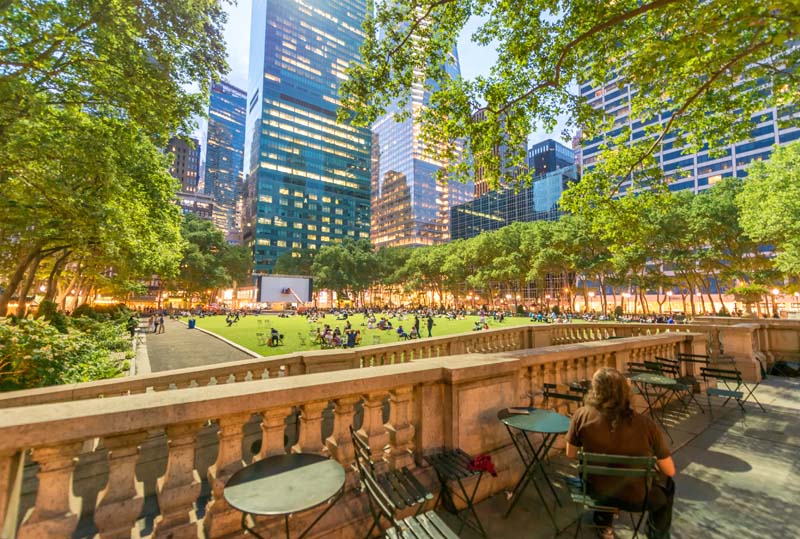
Bryant Park, NYC - Managed by the Bryant Park Corporation which is a private nonprofit. Once considered one of the most dangerous parks in New York; today it draws millions annually with free concerts, a winter village, a reading room, and year-round programming. The city owns it. A private partner makes it work.
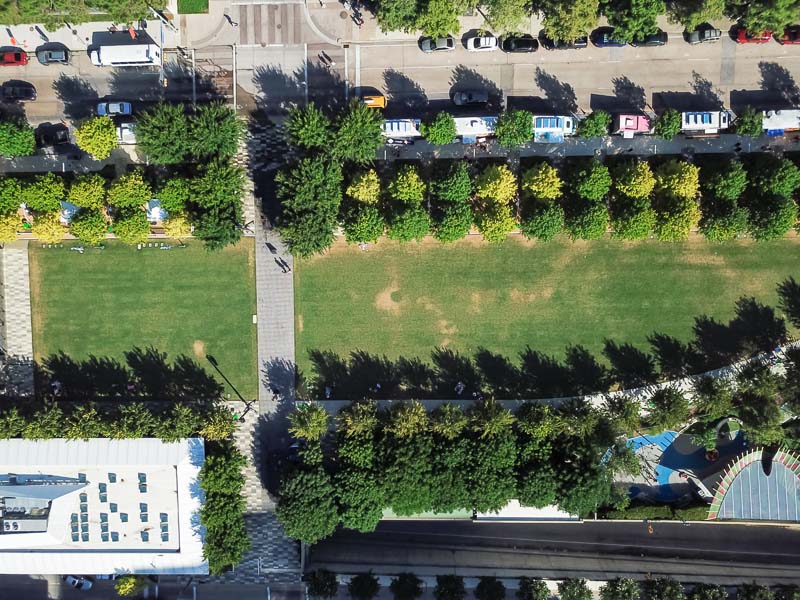
Klyde Warren Park, Dallas - Built over a freeway in downtown Dallas and managed by a private conservancy. Free yoga, food trucks, children's programming, and concerts run seven days a week. It anchors an entire downtown revitalization district. Publicly accessible. Privately managed
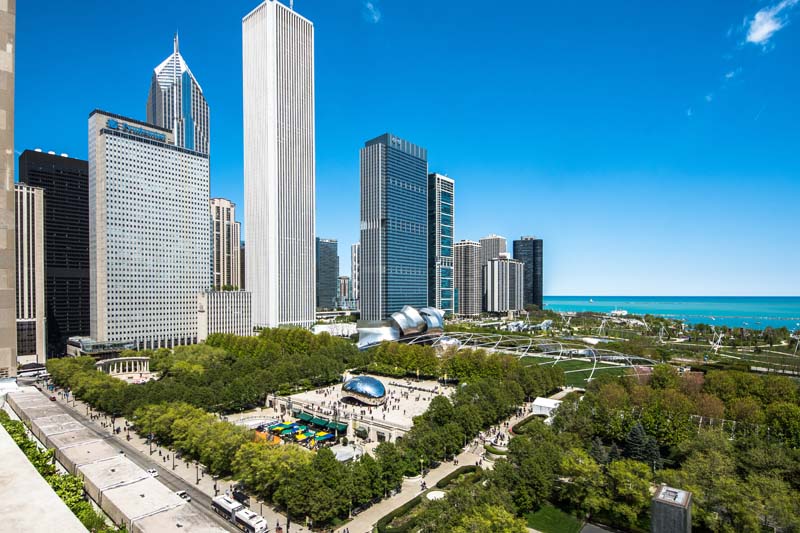
Millennium Park, Chicago - Home to Cloud Gate (the Bean). Private funding built it, private management operates it, and it remains one of the most visited free public spaces in the world.
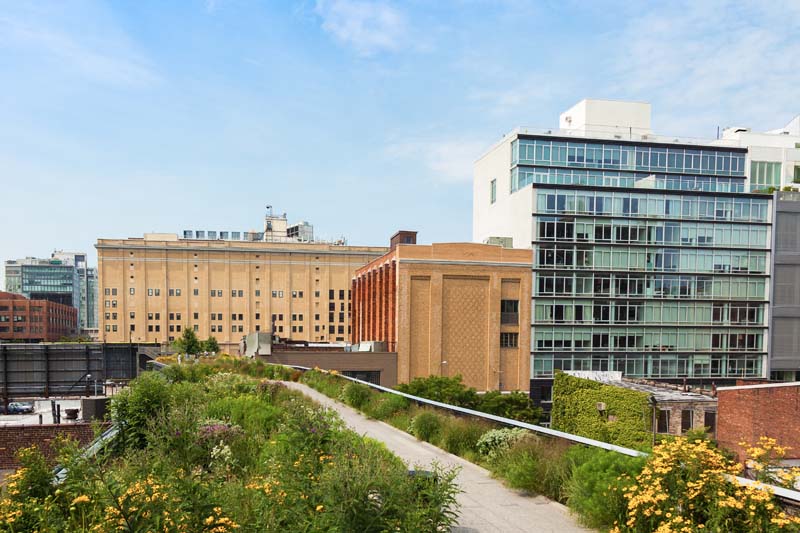
The High Line, NYC- Owned by the city, operated by Friends of the High Line which is a private nonprofit. Private management turned an abandoned elevated rail line into one of the most beloved public spaces in the country. The city pays nothing for operations.
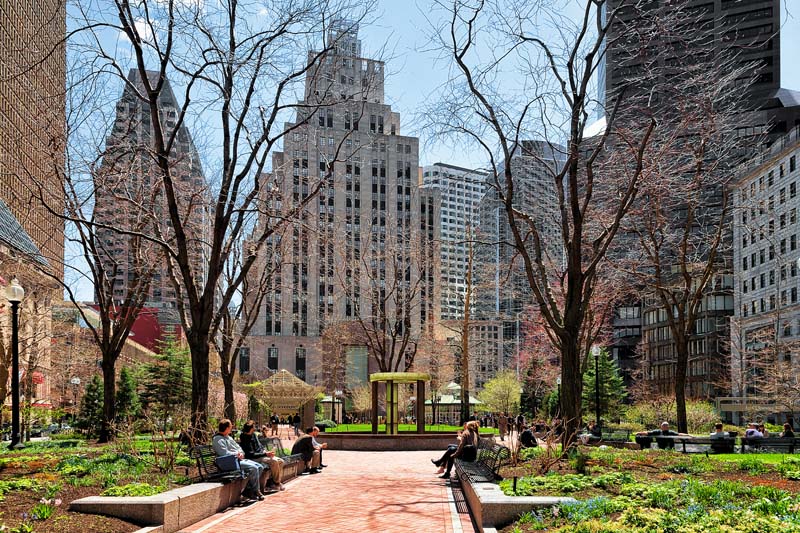
Post Office Square, Boston - A privately managed public park in Boston's Financial District. Open to all, programmed year-round, and consistently ranked among the best urban parks in New England.

Yerba Buena Gardens, San Francisco - A 5.4-acre public open space in the heart of downtown San Francisco, managed by a nonprofit conservancy. Home to free festivals, community programming, and civic events on city-owned land, managed by a private partner.
Believe Plaza would remain city-owned and publicly accessible. The Eddy would take on the responsibility and the cost of programming, maintaining,
and activating it.
The community gets a more vibrant, better-managed space. The city gets a committed private partner willing to invest where public budgets currently cannot.
This isn't a new idea. It's how some of the best public spaces in America work.